
Key Takeaways
- A strong lease agreement protects both landlord and tenant by clearly defining rights, responsibilities, and expectations. This reduces misunderstandings and prevents avoidable disputes.
- Essential lease elements include names of all parties, property details, rental terms, rent rules, deposits, and signatures. These fundamentals create a legally enforceable contract.
- Clauses on occupancy, pets, maintenance, subletting, access, and early termination help anticipate issues and keep the tenancy running smoothly.
- Required disclosures and compliance with local laws ensure the lease is valid, transparent, and protective of the landlord’s investment.
For a landlord, there is no element of their relationship with tenants that’s more important than the lease agreement. As a legally-binding contract between the property owner and the person using the property, the lease agreement outlines the terms of the relationship.
The rental lease agreement defines the rights and responsibilities of both the landlord and the tenant. It ensures that there are no wrong expectations based on false assumptions on either the side of the tenants or the landlord.
If you are in the process of writing a watertight lease agreement for your rental property, what should you include in the document? At Keyrenter Triad, we’re here to help you out. Below, we discuss the essential components of a rental lease agreement, critical clauses to include, important disclosures, and more.
We'll Take Care of the Leasing
What a Solid Lease Should Do for You
Among other things, a lease agreement does the following:
Provides Clear Documentation:
Instead of oral agreements, which are often subject to disputes, the lease provides written evidence of what was agreed upon.
Prevents Conflict:
By defining the rights and responsibilities of the landlord and tenant, the lease helps to minimize the risk of conflicts in the relationship.
Provides Bases for Enforcement:
It establishes the legal basis for collecting the rent on the due date, charging late fees, initiating evictions for lease violations, etc.
Protects the Property:
By defining the tenant’s role in the maintenance of the rental, it prevents actions that can damage the property and hurt the investment.
Provides Financial Security:
The lease injects a measure of financial stability into the rental’s operations by clearly stating the rent, rent due dates, late fees, etc.
A strong rental lease agreement promotes a professional and transparent relationship between the landlord and the tenant. While shielding property owners against legal liabilities, it also makes it easier to manage their rental property efficiently.
Key Elements of a Rental Lease Agreement
To be effective, the lease agreement must be unambiguous.
The following details are key.
Names of All Parties:
The full legal names of the landlord and the tenant must be included, with the full names of all adult tenants (18 and older) who will reside in the property.
Address and Details of the Property:
The full and exact address of the property must be included, with the unit number and pertinent amenities – parking spot, storage units, furniture, access to common areas, etc.
The Rental Term:
The lease should define the duration of the occupancy – whether it is a fixed-term (6–12 months) or periodic (month-to-month) lease. It must state the start and end dates of the lease and if the tenancy renews automatically.
Rent Details:
The lease agreement must contain explicit details about the rent amount, the rent due date, accepted payment methods (bank name & location), late fees and penalties, as well as procedures for rent increases and utilities included in the rent.
Security Deposit:
The contract must state the security deposit amount, how the security deposit will be handled (the bank account where it will be held), conditions for returning it, and allowed deductions.

Signatures:
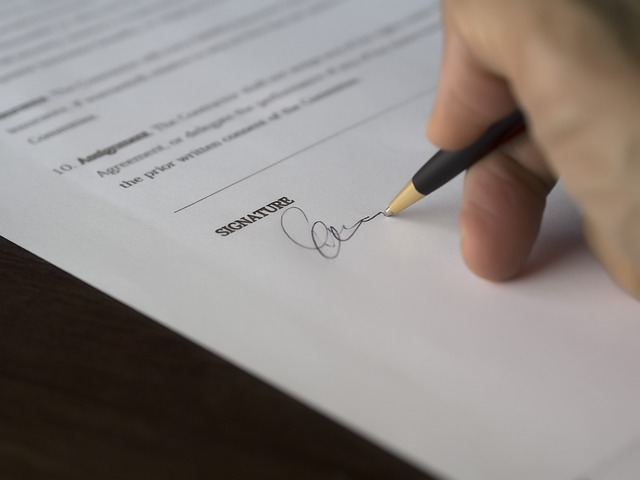
To be legally binding, the lease agreement must be signed by the landlord and tenant. All adults above the age of 18 who will reside in the property must sign the document. Both parties should retain copies of the document.
Essential Clauses & Policies to Include in the Lease
Clauses are sections in the lease that address specific scenarios in the property or landlord-tenant relationship to anticipate and prevent future problems.
Let Us Handle the Details!
Important clauses for your lease agreement include:
Occupancy Limits:
This clause defines the maximum number of persons who can reside in the unit. To ensure safety and prevent overcrowding, the “2+1” rule is often used – two people per bedroom, plus one additional person for the entire unit.
Pets, Noise, and Smoking:
To prevent damage and disputes, the lease must clearly state the rules on pets, noise levels, and smoking. This should include pet restrictions (if pets are allowed), pet fees/deposits, designated smoke-free zones, and quiet hours.
Maintenance and Repair:
The lease should include details of how maintenance and repair responsibilities will be divided between the landlord and tenant. It should define the landlord’s obligations, the tenant’s obligations, and how to report damages.
Subletting Policy:
The lease should explicitly prohibit or permit subletting of the property by the tenant. If subletting is allowed, it must be with the written permission. Subtenants may undergo screening by the landlord, and the original tenant retains all liability.

Property Access:
This clause explains the conditions for the landlord to legally enter the tenant’s unit. It usually requires the landlord to give the tenant 24–48 hours’ notice for inspections, repairs, and showings, except during emergencies.
Breaking the Lease:
This clause states the terms for early termination of the lease by the tenant. Depending on the reason for termination, it may stipulate penalties like fees, forfeiture of the security deposit, or payment of 1–2 months’ rent.
Required Disclosures and Important Tips
Federal, state, and local laws may require some or all of these disclosures in the lease agreement:
Lead-Based Paint:
If the house was built before 1978, the lease must include a “Lead Warning Statement.”
Bed Bugs:
The lease must disclose it if there is a known history of bedbug infestation.
Radon Gas:
Some states require landlords to disclose radon testing results and mitigation systems.
Flood Zone:
If the property is in a FEMA-designated flood zone and has a history of flood damage, it must be disclosed.
It is also vital to keep the following tips in mind when writing a rental lease agreement.
Understand Local Laws:
Landlord-tenant laws vary by state and local government. The lease must comply with these laws.
Update Periodically:
Unfolding changes in the law and existing conditions must be reflected in the lease agreement.
Do Not Forgo Tenant Screening:
A good lease agreement will not change the quality of a tenant. The lease should not be a substitute for detailed tenant screening.
Final Thoughts
Lastly, ensure you work with a professional when writing your rental lease agreement. A professional property manager is the best person to work with to create a lease agreement that is comprehensive and legally sound.
Property managers deal with tenants and rental properties all the time. We understand the plethora of problems that can occur in a rental and how to prevent them with a solid lease agreement.
Moreover, at Keyrenter Triad, we already have an established relationship with the best real estate professionals in the area.