
Key Takeaways
- Maintenance drives rental success in North Carolina. Well-maintained homes attract reliable tenants, reduce vacancies, and protect long-term property value.
- Proactive care prevents bigger problems. Routine inspections and early repairs help avoid costly emergencies and keep systems running smoothly.
- Landlords must meet legal habitability standards. Safe structure, weather protection, and working plumbing, heating, and electrical systems are required by law.
- Consistent maintenance builds trust and retention. Homes that are safe, clean, and functional lead to better tenant satisfaction and longer stays.
In North Carolina’s competitive rental market, maintenance plays a major role in long-term success. From fast-growing cities like Raleigh, Durham, and Charlotte to coastal and inland communities, tenants expect homes that are safe, functional, and well cared for. Landlords who meet these expectations attract reliable tenants, reduce interruptions, and protect their investments.
Maintenance goes beyond reactive repairs. Proactive care supports safety, reliability, and trust. These factors influence vacancy rates, tenant retention, and compliance across North Carolina’s varied housing types and climate.
Want Help Maintaining Your Property?
The Role of Maintenance in North Carolina’s Rental Market
North Carolina’s rental market is shaped by population growth, job expansion, and a wide range of renters. While tenant needs differ, expectations are consistent: the home must work properly.
Maintenance issues such as HVAC breakdowns, plumbing leaks, or pest concerns can quickly affect tenant confidence. Preventive maintenance helps reduce these risks, extend system life, and control long-term costs by addressing issues early.
Legal Standards
North Carolina law requires landlords to provide rental housing that meets basic habitability standards. This applies to single-family homes, apartments, and multi-unit properties.
Landlords must ensure rental homes are:
- Structurally sound
- Weather-resistant
- Free from known safety hazards
- Equipped with working plumbing, heating, and electrical systems
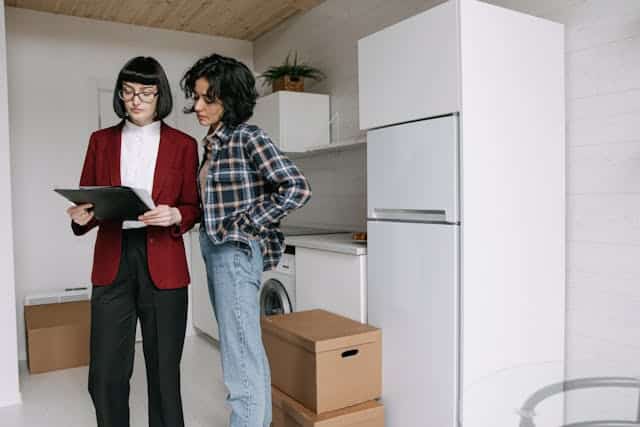
If these standards are not met, tenants have the right to request repairs, withhold rent under specific conditions, or seek legal options under specific conditions. Local building codes and inspections also support these requirements, especially in larger cities.
Habitability focuses on function and safety. A property may look attractive but still fall short if essential systems are unreliable.
Core Maintenance Responsibilities for Landlords
Reliable Water and Hot Water
Tenants must have continuous access to hot and cold running water. In North Carolina, where some homes use wells or older systems, regular checks are important. Water heater issues, leaks, or pressure problems can quickly affect livability.
Plumbing, Electrical, and HVAC Systems
Heat and humidity place ongoing stress on core systems. Landlords are responsible for safe wiring, leak-free plumbing, and dependable heating and cooling. Routine service, including annual HVAC maintenance, helps avoid peak-season breakdowns and reduces emergency repair costs.
Trash Management and Sanitation
Proper trash containers and regular removal support health and community standards. Container size should match occupancy and pickup schedules to maintain clean conditions. Poor waste management can attract pests and trigger code violations
Pest Prevention and Environmental Safety
Warm weather makes pest prevention an ongoing priority. Landlords must address infestations linked to the structure or shared areas. Mold, moisture issues, and lead-based paint in older homes also require prompt attention.
Compliance With Occupancy and Safety Codes
Properties must meet local safety and occupancy rules. Landlords must maintain working smoke and carbon monoxide detectors, clear exits, and safe, well-lit walkways throughout the tenancy.
Maintaining Common Areas in Multi-Unit Properties
In duplexes and apartment buildings, common areas are fully the owner’s responsibility. Hallways, stairwells, parking areas, laundry rooms, and outdoor spaces must remain clean, well-lit, and safe.
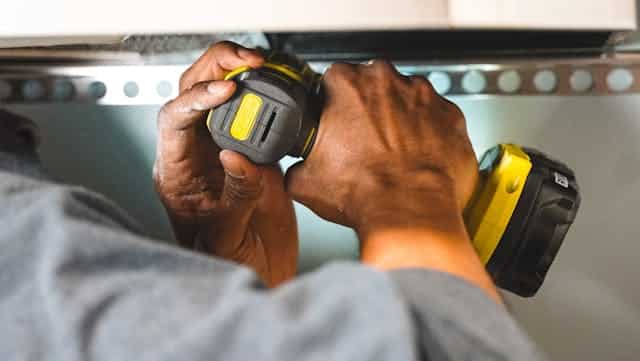
Weather-related issues such as heavy rain, fallen limbs, or uneven surfaces should be addressed quickly. Routine inspections help identify concerns early, avoid injuries and show residents that the property is well managed.
Responding to Repairs
Landlords must respond to repair requests within a reasonable timeframe based on urgency. Issues involving heat, water, electrical systems, or security require prompt attention as delays can violate legal standards.
Not every repair requires the same response, so landlords should understand what counts as an emergency maintenance issue and what can reasonably wait until normal business hours.
Timely repairs support compliance, encourage early reporting, and help prevent minor issues from growing into larger repairs. Damage caused by tenants may be addressed when documented, while normal wear remains the owner’s responsibility.
Tenant Maintenance Responsibilities
While landlords handle habitability, tenants also have responsibilities.
Tenants are generally expected to:
- Keep the unit reasonably clean
- Dispose of trash properly
- Avoid damaging property
- Report maintenance issues promptly
- Follow occupancy limits
- Keep safety devices in place
Tenants also help prevent moisture issues by using ventilation, reporting leaks, and allowing access for repairs.
What Leases Can and Cannot Shift to Tenants
North Carolina law limits how much maintenance responsibility can be shifted to tenants. Essential repairs, safety systems, and habitability standards remain the landlord’s duty.
Leases may assign limited tasks such as lawn care or minor upkeep, but clear lease language sets expectations but does not override legal requirements.
When Professional Property Management Makes Sense
For owners with multiple properties or who live out of the area, professional management provides consistency and local knowledge. Property managers like Keyrenter Triad, can handle inspections, vendor coordination, compliance, tenant communication, and records.

While management fees affect income, they often improve performance by reducing vacancies, preventing costly mistakes, and protecting long-term value.
Why Maintenance Pays off Long-Term
Maintenance is both a legal requirement and a smart strategy. Well-maintained properties attract responsible tenants, reduce disputes, and retain value. internal
In North Carolina’s growing rental market, reputation matters. Homes that are consistently cared for benefit from renewals, referrals, and lower turnover costs.
Final Thoughts
Property maintenance is one of the most effective ways North Carolina landlords can protect income and reduce stress. Homes that are safe, functional, and well maintained build trust and support long-term success.
At Keyrenter Triad, our North Carolina property management team focuses on preventive maintenance, compliance, and full-service rental operations. If you want fewer emergencies, stronger tenant retention, and a more predictable ownership experience, we are here to help.