
Key Takeaways
- True maintenance emergencies involve immediate safety risks, habitability concerns, or active property damage that cannot wait until normal business hours.
- Clear written policies, reliable vendors, and an after-hours response process help landlords handle emergencies quickly and consistently.
- Professional property management can reduce the burden of emergency maintenance by coordinating repairs, vendors, and resident communication on the owner’s behalf.
A tenant in Fisher Park calls at 11:40 p.m. because the toilet is running. Another in Adams Farm calls at 2 a.m. because water is pouring through the kitchen ceiling.
Both issues may feel urgent to the resident, but only one requires an immediate emergency response.
At Keyrenter Triad, we help rental property owners distinguish between routine maintenance and true emergencies so they can protect their property, their time, and their tenant relationships. Knowing the difference also matters legally, since North Carolina landlords are responsible for maintaining safe and habitable housing.
Find Out How Much Your Property is Worth
What Actually Qualifies as an Emergency?
An emergency is generally an issue that threatens someone’s safety, causes active property damage, or makes the home unlivable if it is not addressed quickly.
For rental owners across Greensboro and the surrounding Piedmont Triad, common examples include:
– Water and flooding. Burst pipes, major leaks soaking through ceilings or walls, and rapidly pooling water require immediate attention. A slow drip may be able to wait until business hours, but active flooding can damage flooring, drywall, electrical systems, and belongings within hours.

– No heat during cold weather. A furnace failure during a winter cold snap can quickly become a habitability and safety concern, especially when temperatures fall below freezing.
– AC failure during extreme heat. Not every air-conditioning problem requires a midnight repair, but it becomes more serious when temperatures are high and vulnerable residents may struggle to stay safe in the heat.
– Electrical hazards. Sparking outlets, exposed wiring, burning smells, or other signs of an electrical problem can indicate a fire risk and should not be treated as routine maintenance.
– Gas leaks. Any report of a gas smell should be taken seriously. Residents should leave the property and contact the gas utility or emergency services before further action is taken.
– No running water. A complete loss of running water affects basic habitability and typically requires prompt attention.
– Security failures. A broken exterior lock, shattered window after a break-in, or another issue that leaves the home unsecured may require an immediate temporary or permanent repair.
– Sewage backups. Raw sewage entering a tub, floor drain, or living area presents a health hazard and should be addressed quickly.
If you are unsure whether something qualifies, ask a simple question: Will waiting until the next business day put someone’s safety at risk or allow the damage to become significantly worse?
If the answer is yes, treat it as an emergency.
What Usually Does Not Qualify?
Most maintenance requests can wait for normal business hours.
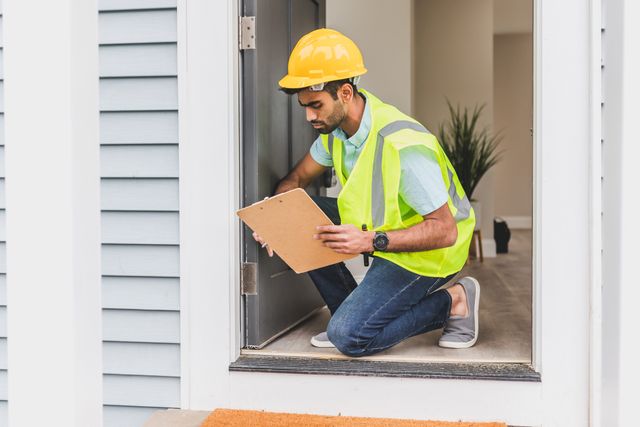
A running toilet that is not overflowing, a dead light fixture, a dishwasher that will not drain, a slow-draining tub, a loose cabinet door, or a minor appliance issue generally does not create an immediate safety or property risk.
That does not mean these requests should be ignored. Routine maintenance still needs a clear response and reasonable repair timeline.
The distinction matters because treating every request as an emergency creates unnecessary after-hours costs and makes it harder to prioritize true emergencies. On the other hand, delaying a serious leak can make getting rid of mold more difficult and lead to larger repair bills and potential habitability issues.
Consistency is one of the most important parts of self-managing a rental.
Find Out How We Can Help
Why Response Time Matters
Residents have choices, particularly in competitive rental markets such as Greensboro, High Point, Winston-Salem, and surrounding Triad communities.
A resident who reports a serious maintenance problem and receives no clear response may think twice about renewing. For owners, turnover means vacancy, marketing expenses, cleaning, repairs, and another leasing cycle.
Prompt repairs and clear communication are important parts of keeping renters happy and encouraging good tenants to renew.

That matters especially during seasonal weather events. Frozen or burst pipes during a hard freeze, for example, can quickly turn into expensive emergencies. Preventive measures such as fall HVAC servicing, pipe protection, and basic winter preparation can reduce the likelihood of those calls in the first place.
Set Expectations Before an Emergency Happens
One of the easiest ways to reduce confusion is to establish your maintenance procedures before a resident ever needs them.
– Define emergencies in writing. Your lease or resident handbook should explain what qualifies as emergency maintenance and provide common examples. Residents should understand that a burst pipe receives a different response than a dripping faucet.
– Provide an after-hours contact method. Residents need to know exactly how to report a true emergency outside normal business hours. Routine requests can follow a separate maintenance process.
– Build your vendor network in advance. Trying to find an available plumber or electrician for the first time at midnight can lead to delays and higher costs. Use consumer awareness resources to help vet contractors before you need them, and confirm whether they provide emergency service.
– Establish repair authorization limits. If someone else may coordinate repairs on your behalf, determine how much they can authorize during an emergency without waiting for additional approval.
Planning these procedures ahead of time can make emergencies far easier to manage. It also helps you understand what is included when comparing property management fees with the cost and workload of handling maintenance yourself.
How Professional Management Handles Emergencies
Emergency maintenance is a challenge for accidental landlords, out-of-state owners, and anyone who does not want to remain on call around the clock.
Our residents have a dedicated maintenance contact, and our vendor network is prepared for urgent problems. Instead of scrambling to locate a contractor after hours, a local manager coordinates the response and documents what happened.
Owners receive repair and expense records through their owner portal, making maintenance easier to track.
A strong maintenance system also includes preventive work, clear communication, reliable vendors, and documentation.
North Carolina Habitability Requirements
North Carolina landlords must provide rental housing that is fit and habitable.
That includes maintaining essential systems such as plumbing, electrical service, and heating, along with conditions that affect health or safety.
Landlords should distinguish between cosmetic inconveniences and problems affecting essential services or habitability. No heat during freezing weather, a major plumbing failure, or a dangerous electrical problem requires a much different response than a loose cabinet handle.
This article is not legal advice. Owners dealing with a disputed repair or serious habitability issue should consult a North Carolina attorney or legal resource.
Bottom Line
Emergency maintenance is part of rental ownership. The question is whether you have a system in place before the next urgent call arrives.
Clear resident expectations, reliable vendors, preventive maintenance, and a defined response process can help control costs and prevent small problems from becoming larger ones.
For accidental landlords, out-of-state owners, or anyone tired of handling after-hours maintenance personally, professional property management can provide a local point of contact and a more structured response process.
Our team helps owners protect their investments with proactive maintenance coordination, local management, and clear communication. If you want to explore what that could look like for your rental, request a free rental analysis and see whether professional management is the right fit.
Start Growing Your Portfolio Today
Frequently Asked Questions
How Quickly Should I Respond to a True Maintenance Emergency?
Respond as quickly as reasonably possible to situations involving active flooding, gas leaks, major electrical hazards, loss of essential utilities, or immediate safety concerns. Even when a repair cannot be completed immediately, residents should receive clear instructions and know that the issue is being addressed.
Can a Tenant Be Charged for an Emergency Repair?
It depends on what caused the damage and the terms of the lease. Normal wear, system failures, and owner maintenance responsibilities generally remain with the property owner. Damage caused by resident misuse or negligence may be handled differently and should be carefully documented.
What Happens If I Cannot Be Reached During an Emergency?
This is why a backup plan matters. Owners who self-manage should have emergency vendor contacts and a process for authorizing urgent work when they are unavailable. Without one, a manageable problem can become significantly more expensive.
Does Pest Activity Count as an Emergency?
Usually not. Routine pest sightings can generally be handled during normal business hours. However, a situation that creates an immediate health or safety hazard may require faster attention.
How Do You Determine What Counts as an Emergency?
We use a consistent standard focused on three factors: safety, habitability, and active property damage. If delaying the repair could put someone at risk, make the home unlivable, or allow substantial damage to continue, it receives priority.